Journal

Seasonal essays on botanical preparations, harvesting practices, and the craft of working with plants.

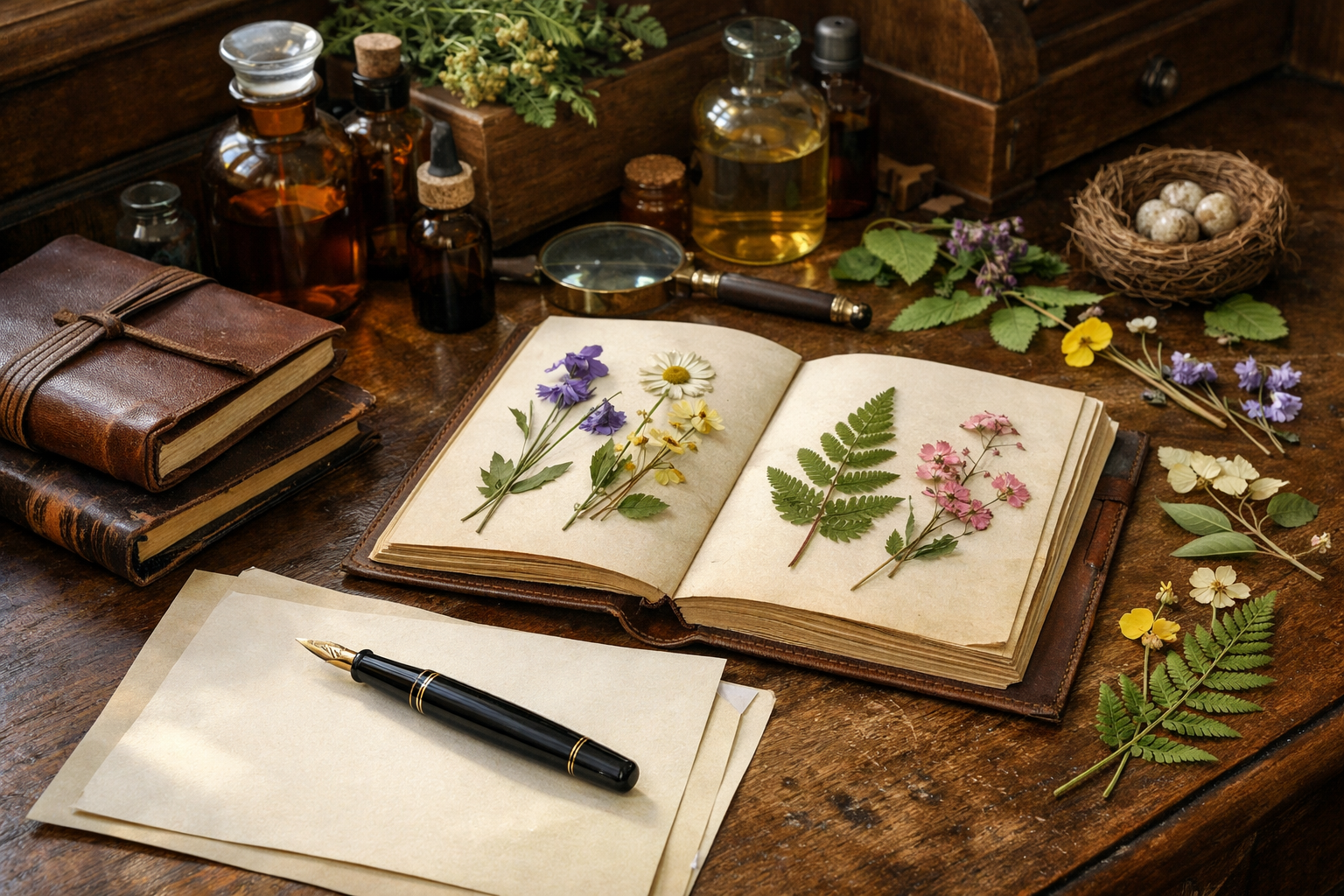
Writing desk with botanical specimens and journals in natural light

November 2026

Why we no longer wax the immortelle bottles

The practice began in our second year, when we read that traditional apothecaries sealed their bottles with beeswax to prevent oxidation. It seemed the proper thing to do—careful, traditional, aligned with our methods elsewhere.
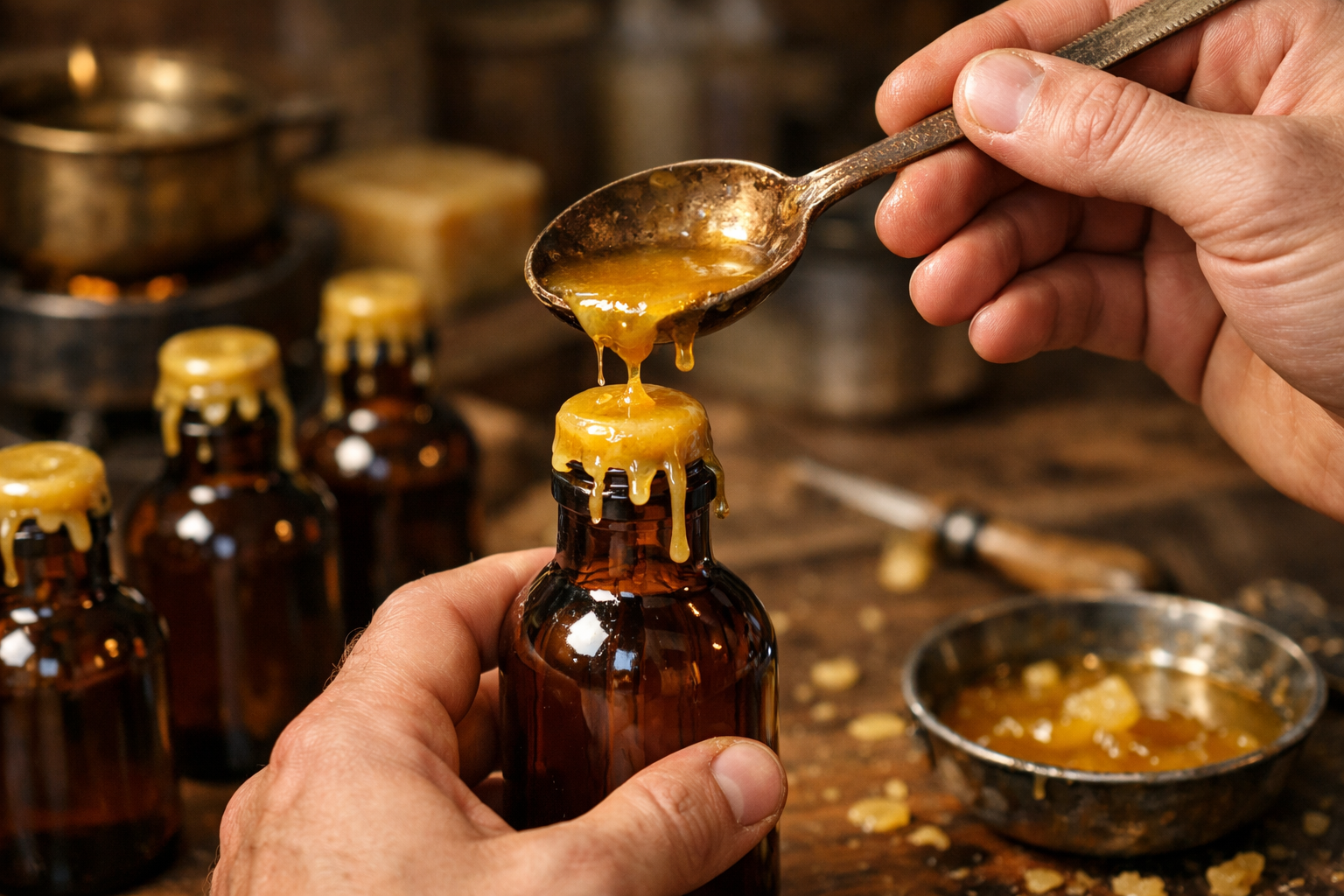
Hand-sealing amber bottles with melted beeswax

For four years, we melted beeswax each Thursday afternoon and dipped the necks of our immortelle preparations. The golden seal looked beautiful against the amber glass, and customers often commented on the care it suggested. But this autumn, testing a bottle that had been sealed for six months, I found the oil had developed a waxy note that wasn't there when fresh.

Helichrysum oil is delicate. Its curry-like scent comes from compounds that can be altered by heat, and melted wax—even at the low temperatures we used—was enough to change the oil's character subtly but unmistakably. The botanical clarity we prize was being compromised by our attempts to preserve it.

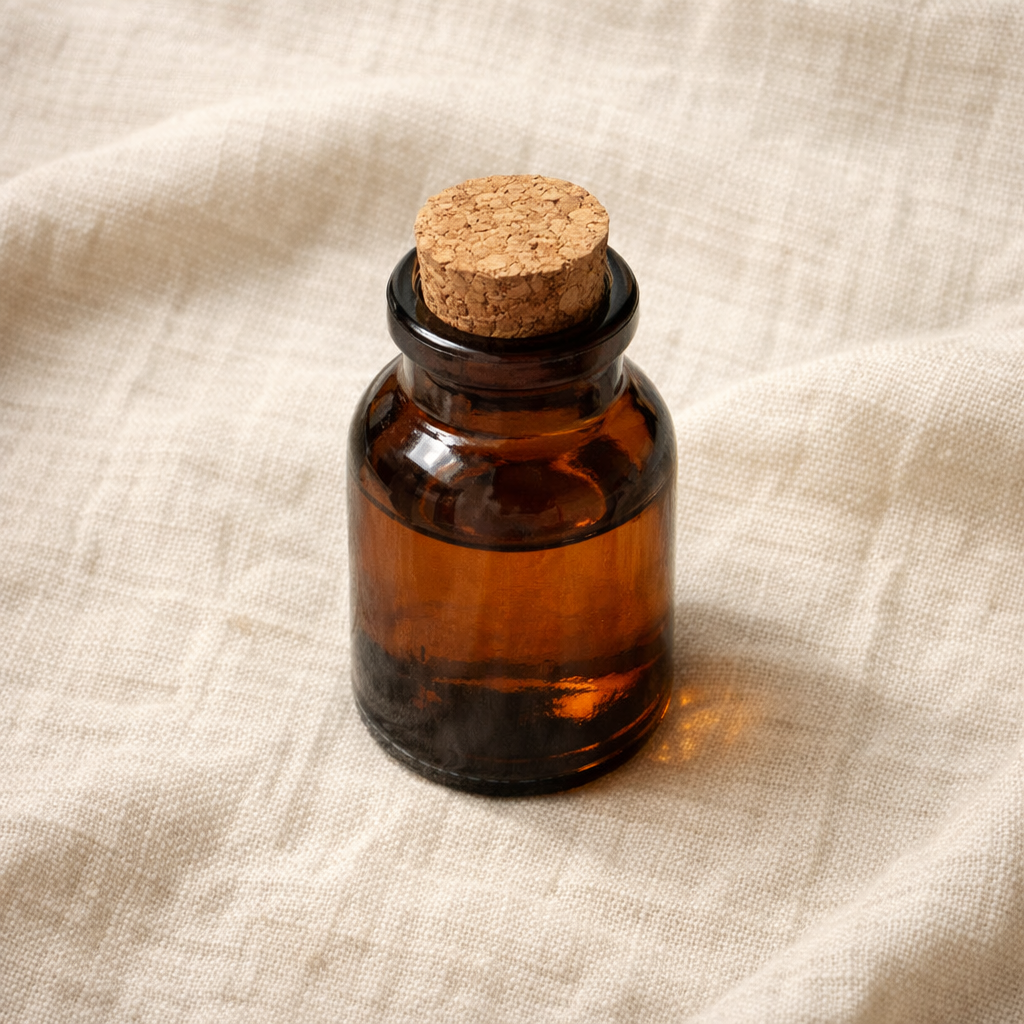
We now use simple cork stoppers, pressed tight and stored in a cool, dark room. The oils remain clear and true to the plants they came from. Sometimes the traditional way is not the right way, and the appearance of care can interfere with actual care.

Our immortelle preparations now arrive without wax seals. The oils taste and smell exactly as they should.
Recent Essays

October 2026

The rose harvest: timing and patience

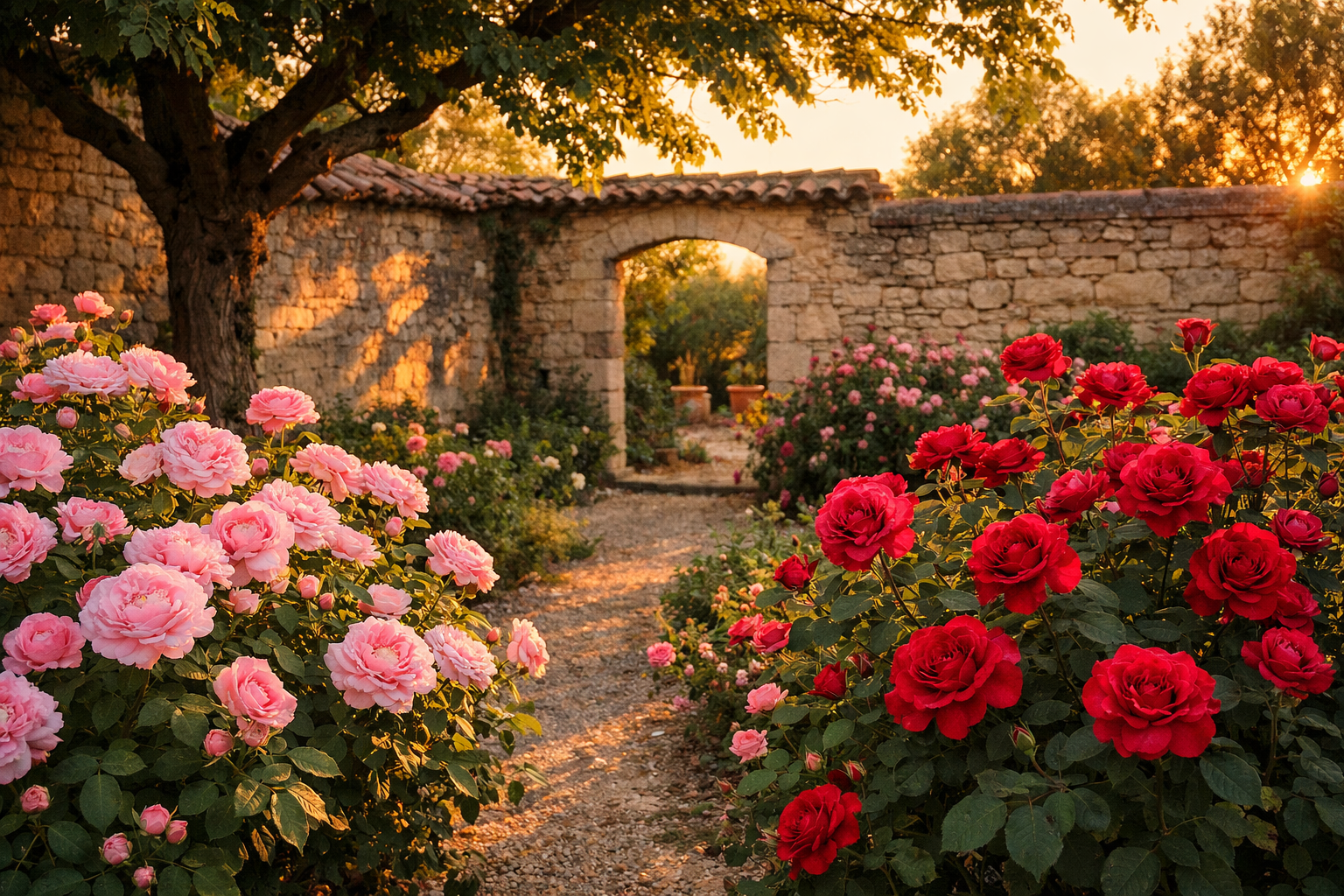
Heritage roses in morning light

Rosa gallica blooms for exactly eighteen days in May. We harvest on days four through seven, when the petals hold the most oil but before the sugars begin to concentrate. Each morning's decision affects the entire year's production.

September 2026

Notes on batch variation

Élixir bottles showing batch variations

No two distillations are identical, even when the process remains unchanged. Weather, soil moisture, and the plants' own rhythms create subtle differences we've learned to accept rather than eliminate. Consistency lies in method, not outcome.

August 2026

On working with lavender oil

Lavender oil preparation

True lavender oil should never smell sweet. The plants that produce the most complex, long-lasting oils grow in poor soil and receive no irrigation. Commercial lavender farms optimize for yield; we optimize for character.

Cart

Your cart is empty

Total €0